Stop Losing Money: 5 AI-Powered Alert Systems Every Serious Investor Needs
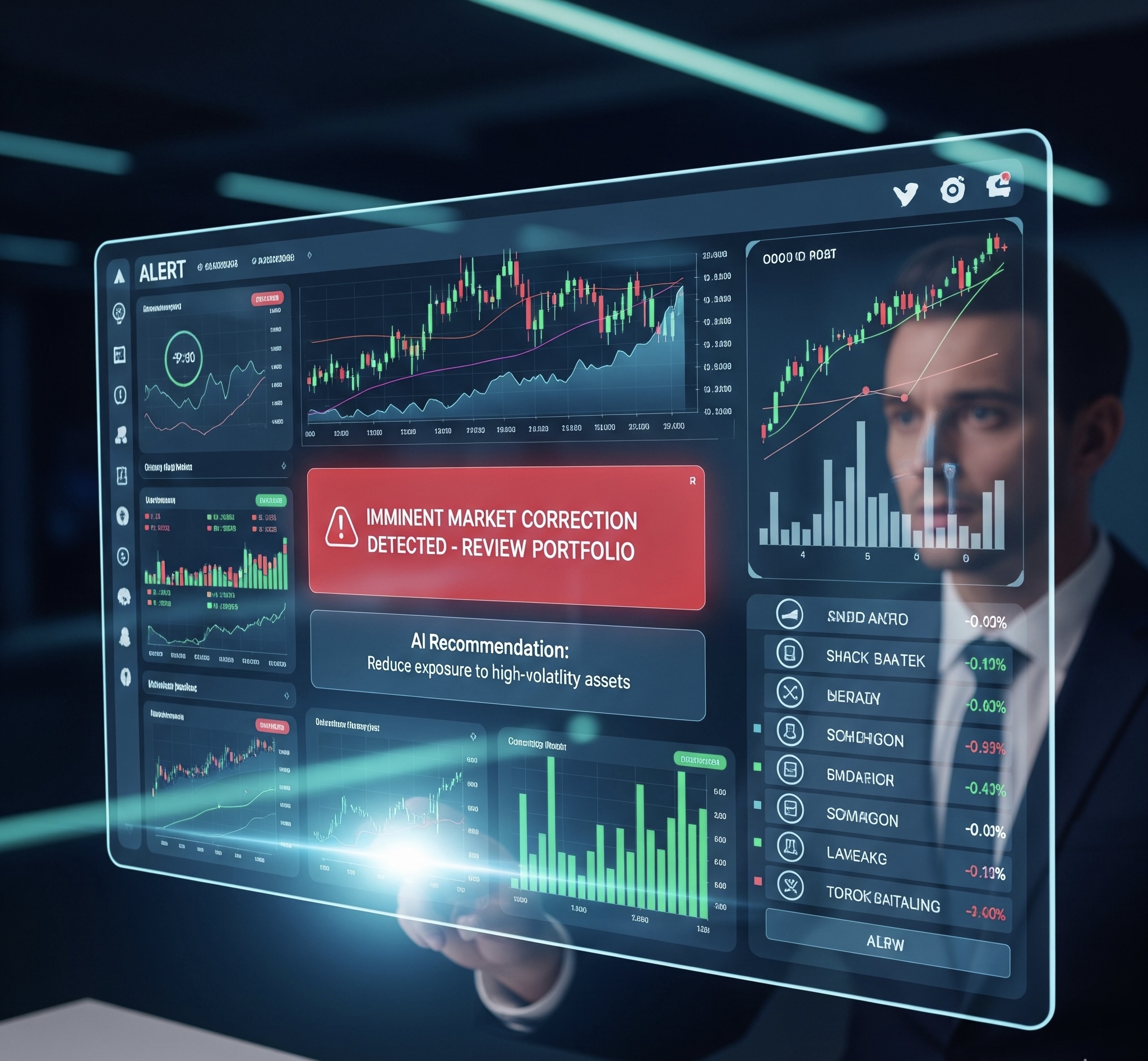
You check your portfolio and discover Tesla dropped 8% overnight. Bitcoin crashed 15% while you were sleeping. That dividend stock you've held for years just announced a 50% dividend cut. By the time you see these moves, it's too late to protect your capital or capitalize on the opportunity.
Sound familiar? You're not alone. The average investor loses 2-3% annually simply due to poor timing—not because they pick bad investments, but because they react to market movements hours or days after they happen.
Meanwhile, professional traders and institutional investors use sophisticated alert systems that notify them of market changes within seconds, allowing them to protect profits and capitalize on opportunities before retail investors even know what's happening.
The difference between profit and loss in today's fast-moving markets often comes down to information speed. While you're manually checking prices and reading yesterday's news, smart investors are using AI-powered alert systems that monitor thousands of variables simultaneously and notify them the instant something important happens.
If you're serious about investing success, it's time to stop playing catch-up and start getting ahead of market moves with intelligent alert systems that work 24/7 to protect and grow your wealth.
The Cost of Being Late to Market Moves
Missing the First Hour
Market research shows that the majority of significant price movements happen in the first hour after news breaks or technical levels are breached. By the time casual investors notice and react:
- Initial price gaps have already occurred
- Volatility spikes make trading more expensive
- Optimal entry/exit points have passed
- Risk-reward ratios have deteriorated significantly
The Compound Effect of Poor Timing
Even small timing delays compound over time:
- 2% annual loss from late reactions = $20,000 lost on a $100,000 portfolio over 10 years
- Missed opportunities during corrections cost more than poor stock selection
- Emotional decisions made after seeing large moves lead to buying high and selling low
- Portfolio protection becomes impossible without early warning systems
Information Asymmetry
Professional investors have access to:
- Real-time data feeds costing thousands per month
- Dedicated teams monitoring markets 24/7
- Advanced algorithms scanning for opportunities
- Direct communication with company management and analysts
Retail investors typically rely on:
- Delayed price quotes and outdated information
- Manual portfolio checking once or twice daily
- Basic price alerts that trigger after major moves
- News that's already been processed by professionals
Why Traditional Alerts Fail
Simple Price Alerts Are Reactive
Basic price alerts only trigger after movements have already happened:
- "AAPL hits $150" - tells you what occurred, not what's about to happen
- Single-variable triggers ignore context and market conditions
- No intelligence about whether the move is significant or temporary
- No guidance on appropriate response actions
Static Thresholds Miss Dynamic Markets
Setting alerts for fixed percentage moves doesn't account for:
- Changing volatility conditions - 5% moves in volatile markets vs stable periods
- Market regime differences - bear market vs bull market sensitivity
- Asset-specific characteristics - crypto volatility vs dividend stock stability
- Time-of-day variations - pre-market vs regular session vs after-hours
Information Overload Without Intelligence
Basic alert systems often generate:
- Too many false signals during normal market noise
- Alert fatigue leading to ignored important notifications
- No prioritization of critical vs routine alerts
- No context about why alerts triggered or what to do
The 5 Essential AI-Powered Alert Systems
1. Intelligent Trend Change Detection
What It Does: AI algorithms continuously monitor multiple timeframes and indicators to identify when trends are genuinely changing, not just experiencing normal volatility.
How It Works:
- Multi-indicator convergence analysis across technical, fundamental, and sentiment data
- Volume pattern recognition to distinguish real breakouts from false signals
- Market structure analysis considering support/resistance levels and trend strength
- Volatility-adjusted thresholds that adapt to current market conditions
Asset Wisp Implementation:
- Real-time monitoring of trend strength across multiple timeframes
- AI-powered confirmation using volume, momentum, and sentiment indicators
- Customizable sensitivity levels based on your trading style
- Clear buy/sell/hold recommendations with confidence levels
Example Alert: "NVIDIA trend change detected: Strong uptrend confirmed across 4H and daily timeframes. 85% confidence. Volume surge +340% above average. Technical score upgraded to 8.7/10. Suggested action: Consider adding to position."
2. Portfolio Risk Monitoring System
What It Does: Continuously analyzes your entire portfolio for concentration risks, correlation changes, and exposure to market factors that could cause significant losses.
How It Works:
- Real-time correlation analysis between your holdings
- Sector and geographic concentration monitoring
- Factor exposure tracking (growth, value, momentum, quality)
- Stress testing against historical market scenarios
- Volatility spike detection that could affect multiple positions
Asset Wisp Implementation:
- Comprehensive portfolio analysis across stocks, crypto, and other assets
- AI-powered risk assessment that adapts to changing market conditions
- Personalized risk alerts based on your tolerance and goals
- Suggested rebalancing actions to optimize risk-return profile
Example Alert: "Portfolio risk elevated: Tech sector concentration at 45% (target: 25-35%). Correlation between AAPL, GOOGL, MSFT increased to 0.85 (normal: 0.65). Consider reducing tech exposure or adding defensive positions. Risk score: 7.8/10."
3. News Sentiment Intelligence System
What It Does: AI analyzes thousands of news sources, social media posts, and analyst reports in real-time to identify sentiment shifts that could impact your investments before price movements occur.
How It Works:
- Natural language processing of news articles, earnings calls, and social media
- Sentiment scoring that weighs source credibility and historical accuracy
- Entity recognition linking news to specific stocks and sectors
- Momentum tracking of sentiment changes over time
- Predictive modeling based on historical sentiment-price relationships
Asset Wisp Implementation:
- Real-time news monitoring with AI-powered sentiment analysis
- Customizable alerts for portfolio holdings and watchlist stocks
- Integration with technical analysis for confirmation signals
- Historical accuracy tracking of sentiment-based predictions
Example Alert: "Negative sentiment spike for TSLA: 73% negative articles in past 4 hours (normal: 35%). Key concerns: Production delays, regulatory scrutiny. Sentiment score dropped from 6.2 to 3.1. Consider protective stops or hedging strategies."
4. Swing Trade Setup Recognition
What It Does: AI scans thousands of stocks and crypto assets continuously to identify high-probability swing trading setups with defined entry points, profit targets, and stop-loss levels.
How It Works:
- Pattern recognition for proven swing trading setups (flags, triangles, breakouts)
- Risk-reward analysis ensuring favorable trade ratios
- Volume confirmation requirements for signal validation
- Market context consideration (trending vs ranging markets)
- Success rate tracking based on historical similar setups
Asset Wisp Implementation:
- AI-powered scan of stocks and crypto for swing trade opportunities
- Complete trade signals with entry, target, and stop-loss levels
- Risk-adjusted position sizing recommendations
- Real-time monitoring of active trade setups
Example Alert: "High-probability swing setup: AMD bull flag pattern completion. Entry: $142.50, Target 1: $155, Target 2: $165, Stop: $135. Risk/Reward: 1:3.2. Similar setups historically successful 68% of the time. Volume confirmation required for entry."
5. Economic Calendar Intelligence
What It Does: AI analyzes upcoming economic events, earnings announcements, and policy decisions to predict market impact and recommend portfolio adjustments before volatility spikes.
How It Works:
- Event impact modeling based on historical market reactions
- Asset-specific sensitivity analysis to different types of announcements
- Calendar clustering identifying periods of multiple high-impact events
- Volatility forecasting for specific time periods
- Positioning recommendations for defensive or opportunistic strategies
Asset Wisp Implementation:
- AI-powered analysis of upcoming events and their potential market impact
- Portfolio-specific alerts based on your holdings and their historical sensitivity
- Suggested protective strategies before high-volatility periods
- Post-event analysis and learning for improved future predictions
Example Alert: "High-impact week ahead: Fed meeting Wednesday (rate decision), NVDA earnings Thursday, jobs report Friday. Your tech-heavy portfolio historically volatile during such periods. Consider: 1) Reduce position sizes 20%, 2) Add VIX hedge, 3) Set tighter stops. Expected portfolio volatility: 2.3x normal."
Advanced Alert Customization
Risk-Based Alert Levels
Conservative Investors:
- Lower sensitivity thresholds to minimize false signals
- Focus on portfolio protection and major trend changes
- Emphasis on fundamental analysis confirmation
- Longer timeframe analysis for reduced noise
Aggressive Traders:
- Higher sensitivity for early opportunity identification
- Real-time technical signal generation
- Multiple timeframe alert coordination
- Quick-moving market opportunity notifications
Asset-Specific Intelligence
Stock Alerts:
- Earnings announcement impact predictions
- Analyst upgrade/downgrade sentiment analysis
- Sector rotation opportunity identification
- Insider trading activity notifications
Cryptocurrency Alerts:
- Whale movement tracking and impact analysis
- DeFi protocol interaction effects
- Regulatory announcement impact assessment
- Cross-chain arbitrage opportunity detection
Commodity Alerts:
- Supply/demand fundamental shift detection
- Weather impact analysis for agricultural commodities
- Geopolitical event impact on energy prices
- Currency correlation change notifications
Building Your Alert Strategy
Phase 1: Foundation Setup
Essential Alerts for All Investors:
- Portfolio risk monitoring - prevent catastrophic losses
- Major trend change detection - protect against bear markets
- Economic event warnings - prepare for volatility
Setup Process:
- Link all investment accounts for comprehensive monitoring
- Set risk tolerance levels for alert sensitivity
- Choose notification preferences (email, SMS, app notifications)
Phase 2: Opportunity Enhancement
Add Opportunity-Focused Alerts: 4. Swing trade setup recognition - capitalize on short-term moves 5. News sentiment intelligence - front-run market reactions
Optimization:
- Customize alerts based on your investment style
- Set up watchlist monitoring for potential additions
- Establish alert hierarchies (critical vs informational)
Phase 3: Advanced Integration
Professional-Level Features:
- Multi-asset correlation alerts
- Factor exposure monitoring
- Volatility regime change detection
- Liquidity condition warnings
Alert Management Best Practices
Avoiding Alert Fatigue
Prioritization System:
- Critical alerts: Immediate portfolio threats or major opportunities
- Important alerts: Trend changes and significant developments
- Informational alerts: Market updates and minor technical signals
Frequency Management:
- Set quiet hours for non-critical alerts
- Batch similar alerts to reduce interruptions
- Use digest formats for lower-priority information
Response Protocols
Critical Alert Response:
- Assess the situation - understand what triggered the alert
- Check confirmation - verify with additional data sources
- Evaluate options - consider all possible responses
- Execute decisively - take action based on pre-planned strategies
Documentation and Learning:
- Track alert accuracy over time
- Analyze response effectiveness
- Refine alert parameters based on results
- Build institutional knowledge for future decisions
Technology Infrastructure Requirements
Data Quality and Speed
Essential Features:
- Real-time data feeds with minimal latency
- Multiple source integration for comprehensive coverage
- Quality controls to prevent false signals
- Backup systems ensuring continuous monitoring
Customization and Control
Flexibility Requirements:
- Adjustable sensitivity for different market conditions
- Asset-specific parameters for stocks vs crypto vs commodities
- Time-based controls for different trading sessions
- Integration capabilities with existing investment platforms
Measuring Alert System Effectiveness
Performance Metrics
Accuracy Measures:
- True positive rate - percentage of accurate alerts
- False positive rate - frequency of incorrect signals
- Response time - speed from trigger to notification
- Impact measurement - portfolio protection and opportunity capture
ROI Analysis:
- Losses prevented through early warning systems
- Gains captured from opportunity alerts
- Time savings from automated monitoring
- Stress reduction from systematic oversight
The Future of Investment Alerts
Machine Learning Evolution
Advancing Capabilities:
- Predictive modeling that forecasts moves before they happen
- Behavioral analysis incorporating investor psychology
- Alternative data integration from satellite imagery to social sentiment
- Cross-asset intelligence recognizing complex market relationships
Personalization Enhancement
Individual Optimization:
- Learning from user responses to improve alert relevance
- Adapting to changing goals and risk tolerance over time
- Context-aware notifications based on market conditions and personal schedule
- Behavioral coaching to improve investment decision-making
Taking Control of Your Investment Future
The difference between investment success and failure increasingly comes down to information speed and quality. While markets become more complex and move faster, your ability to respond quickly and intelligently determines your long-term returns.
AI-powered alert systems level the playing field, giving individual investors access to institutional-quality market monitoring and intelligence. The five essential alert systems—trend change detection, portfolio risk monitoring, news sentiment intelligence, swing trade recognition, and economic calendar intelligence—work together to create a comprehensive early warning system for your investments.
The question isn't whether you need better market intelligence—it's whether you'll implement these systems before your competitors do. Every day you rely on manual monitoring and basic alerts is another day you're vulnerable to preventable losses and missed opportunities.
Protect Your Portfolio with Intelligent Alerts
Stop losing money to preventable market moves and missed opportunities. Asset Wisp's AI-powered alert systems provide comprehensive monitoring across stocks, crypto, commodities, and your entire portfolio.
Get intelligent trend change detection, portfolio risk monitoring, news sentiment analysis, swing trade alerts, and economic event intelligence—all customized for your specific investments and risk tolerance.
Start protecting your wealth with AI-powered alerts that work 24/7 to safeguard your financial future.
Join thousands of serious investors who rely on Asset Wisp's intelligent alert systems to stay ahead of market moves and protect their portfolios from preventable losses.